

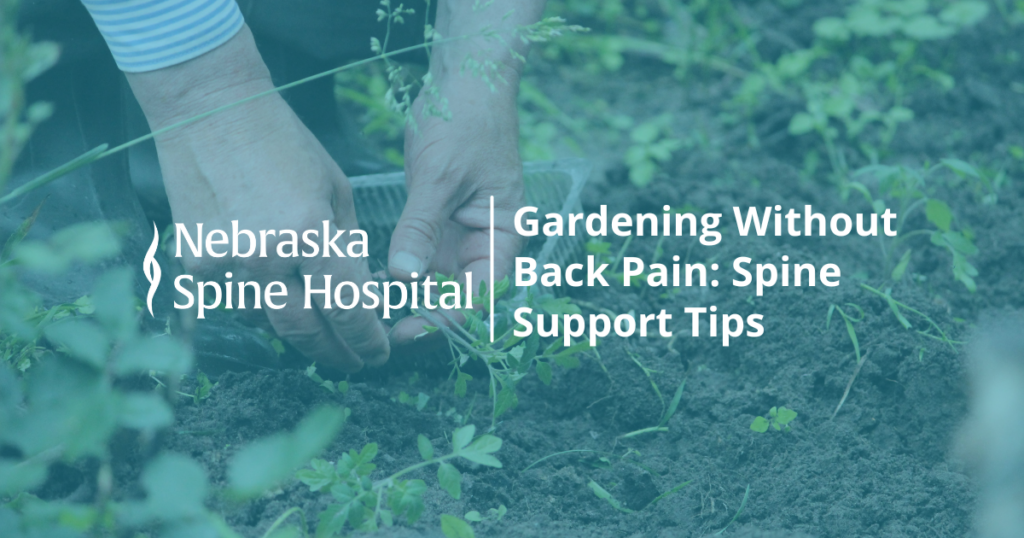
Gardening is a rewarding way to stay active, enjoy the outdoors, and take care of your home environment. It offers both physical and mental benefits, from gentle movement to time spent in fresh air. However, gardening also involves repeated bending, lifting, reaching, and kneeling — all of which can place stress on your back if not done mindfully. Over time, these movements can lead to stiffness or discomfort, especially during longer sessions. With a few thoughtful adjustments and awareness of how your body moves, you can continue to enjoy gardening while keeping your spine supported and comfortable throughout the season.
Change Positions Frequently
One of the most common causes of gardening-related discomfort is staying in one position for too long. Activities like bending over flower beds or kneeling to pull weeds can put prolonged strain on your lower back, hips, and knees. Changing positions regularly helps reduce this strain and allows different muscle groups to stay engaged. Try alternating between sitting, kneeling, and standing throughout your gardening routine. For example, after spending time kneeling, stand up and stretch or walk around for a few minutes before continuing. Incorporating short breaks every 20–30 minutes can improve circulation, reduce muscle fatigue, and help your body feel more balanced and supported.
Use Supportive Tools
The tools you use can make a significant difference in how your body feels during and after gardening. Long-handled tools help reduce the need to bend forward repeatedly, which can ease pressure on your lower back. Ergonomic tools are designed to support more natural hand and arm positioning, helping to minimize unnecessary strain. Garden stools, kneeling pads, or even raised garden beds can help bring your work to a more comfortable height, reducing the need for awkward or prolonged positions. Investing in supportive tools not only improves comfort but can also help make gardening more efficient and enjoyable.
Lift Carefully
Lifting is another common source of strain during gardening, especially when moving heavy bags of soil, pots, or equipment. Using proper lifting techniques is essential for protecting your spine. Always bend at your knees rather than your waist, keep items close to your body, and engage your core as you lift. Avoid twisting while carrying objects — instead, turn your entire body using your feet. If an item feels too heavy or awkward to manage, break it into smaller loads or ask for assistance. Taking a few extra moments to lift properly can significantly reduce the risk of discomfort or injury.
Stay Hydrated and Take Care of Your Body
Spending time outdoors, especially in warmer weather, can increase your need for hydration. Drinking water throughout your gardening session helps support muscle function and reduces the risk of fatigue. Staying hydrated also helps maintain flexibility in your muscles and joints, making movement feel more comfortable.
Enjoy Gardening with Confidence
Gardening should be a positive and fulfilling experience. By making small adjustments to how you move, lift, and pace yourself, you can protect your spine while continuing to enjoy your time outdoors. These simple habits allow you to stay active, comfortable, and engaged in the activities you enjoy most.
For more spine care tips, visit the Spine Health Institute:
https://www.spine-health.com/