
Summer is a great time to get moving, and following a few simple summer spine health tips can help you make the most of it. Longer days and warmer weather encourage more outdoor activity — from morning walks and bike rides to swimming and weekend sports. Staying active has real benefits for your spine and overall health. Movement helps strengthen the muscles that support your back, improves circulation, and reduces stiffness. However, a sudden increase in activity after a less active period can sometimes lead to discomfort if your body isn’t properly prepared. Taking a thoughtful approach to summer activity can help you stay engaged and feel your best throughout the season.
Start Gradually and Build Over Time
One of the most common reasons people experience back discomfort during summer is doing too much too soon. After a spring season with limited activity, jumping into intense exercise or recreational sports can place unexpected strain on your spine and supporting muscles. Starting at a manageable pace and gradually increasing intensity allows your body time to adapt. Whether you’re beginning a walking routine or returning to a sport you enjoy, giving your muscles and joints time to build strength and endurance makes a meaningful difference.
Warm Up Before and Cool Down After
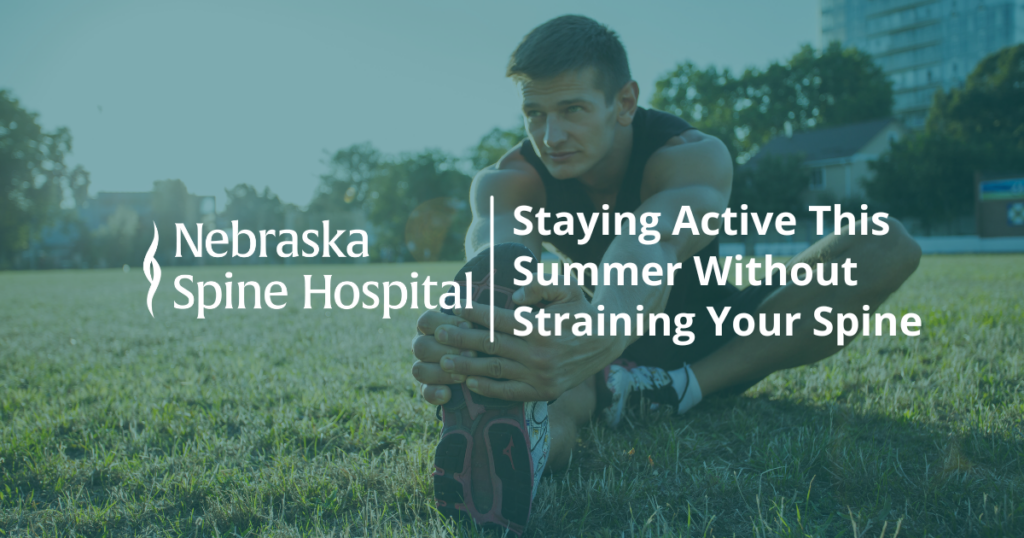
Warming up before physical activity prepares your muscles, joints, and spine for movement. Even five to ten minutes of gentle movement — like light walking, hip circles, or shoulder rolls — can improve flexibility and reduce the risk of strain. Cooling down afterward is equally important. Gentle stretching after activity helps your muscles relax and recover, reducing tightness that can build up over time. Paying attention to these two simple steps can help you feel better both during and after exercise.
Choose Spine-Friendly Activities
Not all summer activities carry the same level of strain. Swimming and water-based exercise are especially beneficial for the spine because the buoyancy of water reduces pressure on your joints while still allowing for a full range of movement. Walking on flat, even surfaces is another low-impact option that supports cardiovascular health without excessive stress. If you enjoy higher-impact activities like running or team sports, wearing supportive footwear and being mindful of your form can help protect your back.
Listen to Your Body
Your body communicates important signals during physical activity. Mild muscle soreness after exercise is normal, especially when starting something new. However, sharp pain, persistent discomfort, or pain that radiates down your leg are signs worth paying attention to. If you notice these symptoms, rest and consider speaking with a healthcare provider. Being attentive to how your body responds allows you to adjust your activity and avoid aggravating existing conditions.